Author: Pastor Rich Lusk
-
FROM THE ARCHIVES: Women, Ministry, and Liturgy (2000)
[This paper is over a quarter of a century old so obviously I would say many things different now, and it does not deal with the controversies that have arisen since then. I have been working off and over the years to transform this essay into a book entitled “Different Roles, Different Souls.” If God…
-
Church Schools and Alabama Law
From the Alabama Constitution, 3.01: (1) The framers of the United States Constitution, recognizing free exercise of religion as an unalienable right, secured its protection in the First Amendment to the Constitution, and the framers of the Constitution of Alabama of 1901, also recognizing this right, secured the protection of religious freedom in Article I,…
-
Notes on Therapy Culture
Therapy culture has influenced the church a lot more than the church has influenced therapy culture. A lot of preaching has become very therapeutic, aimed more at psychological comfort than spiritual change. Many pastors use therapeutic concepts and measure themselves by standards of therapy rather the Bible; yet very few therapists use theological categories and…
-
FROM THE ARCHIVES (2004) – An Immodest Proposal for Peace and Purity in the Body of Christ: A Plea for Reformed Catholicity
AN IMMODEST PROPOSAL FOR PURSUING PEACE AND PURITY IN THE BODY OF CHRIST: A PLEA FOR REFORMED CATHOLICITY[1] BY RICH LUSK ASSISTANT PASTOR AUBURN AVENUE PRESBYTERIAN CHURCH MONROE, LA Reformed Suspicions Reformed Christians are usually suspicious of any talk of unity among Christians of differing doctrinal convictions, yet the pursuit of peace and unity among…
-

FROM THE ARCHIVES: John Calvin, Reformed Catholic
John Calvin: Reformed Catholic By Rich Lusk MAY, 2010 John Calvin was a Reformed Catholic. While his followers may have descended into some of the grossest forms of sectarianism in the history of the church, Calvin himself modeled the kind of patience, humility, charity, and wise tolerance that promotes a catholic spirit. Calvin understood that…
-

September 2026 Notes, Part 2: Christ-Esteem vs. Self-Esteem, Lindsay Clancy and Motherhood, Instrumentalizing the Christian Faith for Political Ends, Vision, Egalitarianism, Hitler, Feminism, Social Capital, Therapy Culture, Love, Empathy, Usury, Psalm 51, Universal Suffrage, Ethnicity and Race, Ordo Amoris, Pro-Family Socialism/Welfare, Boomers, Lust, Masculinity vs. Progressivism, Freedom vs. Safety, Birth Rates, Etc.
A podcast I did with Jacoby Nelson a while back on forgiveness: — On the day of judgment, Jesus – yes, sweet, loving, tenderhearted, compassionate Jesus – is going to say to many people, “Away from me,” and will cast them into the everlasting lake of of fire. Fear Jesus. Reverence Jesus. Be in awe…
-
September 2026 Notes, Part 1: Lindsay Clancy Case, Effeminacy, 2 Samuel 11-12, Therapy Culture, Etc.
“My own plans are made.While I can, I sail east on the Dawn Treader. When she fails me, I paddle east in my coracle. When she sinks, I shall swim east with my four paws.And when I can swim no longer, if I have not reached Aslan’s country, or shot over the edge of the…
-
Following Up on Recent Sermons
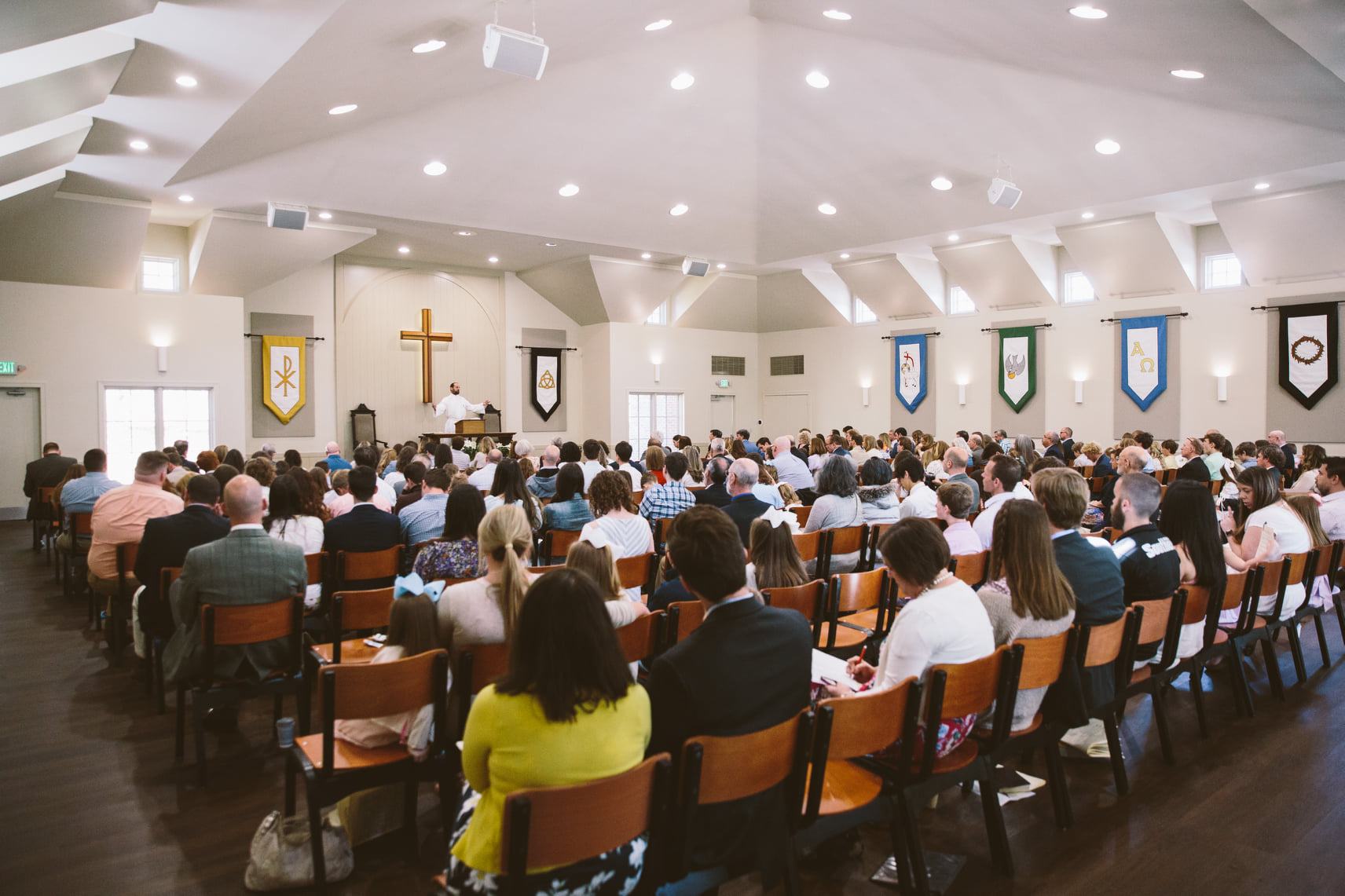
[These are notes I shared with my congregation to supplement sermons I have preached recently.] After last week’s sermon on David and Bathsheba, several people mentioned to me that it was a great sermon for young men to hear since it dealt with sexual sin. I was quick to point out that it’s also a…
-

August 2026, Part 2: 2 Samuel 11-12, Public vs Christian Education, America’s Based Founding Fathers, Immigration, Christian Nationalism and the Common Good, Berry, Parton, Tradition, Lindsey Clancy and Feminism, Lewis on War/Pacifism, Decline of Masculinity, Schmitt, Gottfried, Machen, Psalm 60, Etc.
My 1819 podcast on classical Christian education: https://youtu.be/Um78OdYbjPU?is=e64uM4fXVt1X85Lb — A pastoral ordination sermon I preached in 2022 at our daughter church in Huntsville, AL on 1 Peter 5, focused on the work of the pastor: — “The greatest thing you can do to love your neighbor is build Christian civilization.” — Bryan Dawson — Every…
-

Notes on the Filioque
A few notes on Eastern Orthodoxy (EO) and it’s rejection of the Filioque clause: — In the late 6th century in the West, traditionally at the Third Council of Toledo in 589, with later spread and formal adoption in the Roman liturgy in 1014.The original Nicene Creed (325) ended simply with belief “in the Holy…