Author: Pastor Rich Lusk
-
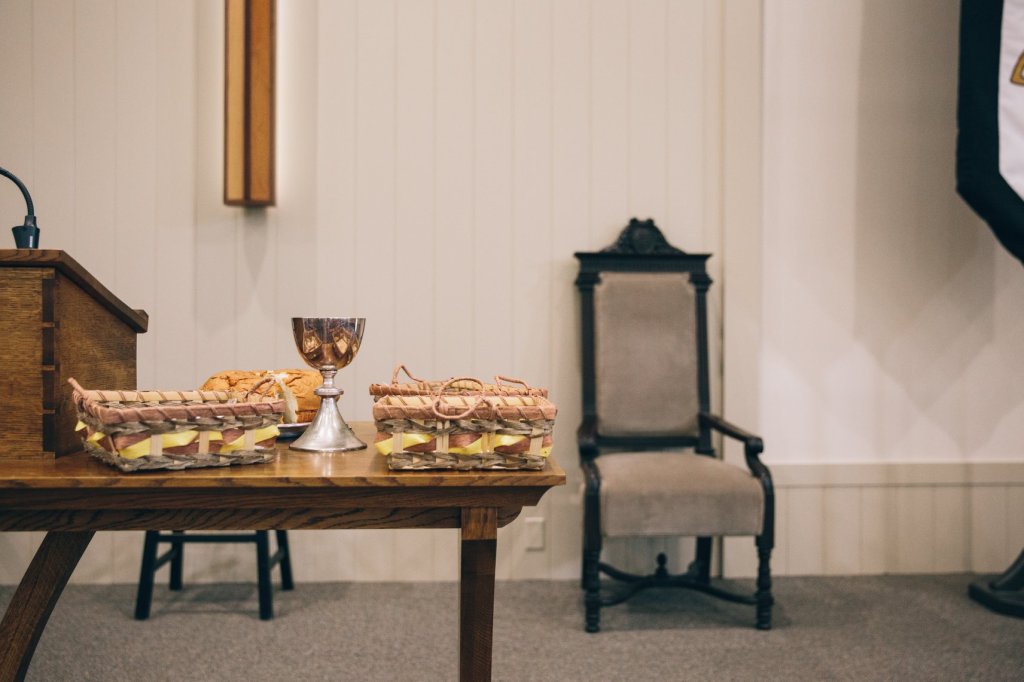
The TPC Communion Table
Around 2009, Trinity Presbyterian Church moved into a new worship facility in Cahaba Heights. We renovated the building, especially the worship space, and that included getting new liturgical furnishings. The blog post below is an email I sent out to the congregation on September 13, 2009 to introduce the congregation to our new communion table.…
-

The Church Is Not Optional (Sermon Follow Up)
This is a follow up to last Sunday’s sermon on 1 Peter 2:4ff, “The Greatest Nation on Earth.” The church is the essential institution. The church is not our only nation, city, and family, but it is our first nation, city, and family. The church remakes and disciples these other institutions to serve the good of humanity. The church is a supernatural institution through which…
-

TPC’s Bright Vision in a Dark Age
I have often thought this quotation from T. S. Eliot sums up what TPC is all about and what we are trying to do: The World is trying the experiment of attempting to form a civilized but non-Christian mentality. The experiment will fail; but we must be very patient in awaiting its collapse; meanwhile redeeming the time:…
-

The Failure of Feminism and Modern Liberalism
Heather MacDonald, explaining why feminism can never work: Feminists cannot acknowledge the divide between men and women when it comes to sex and sensibility. Doing so would violate what Steven Pinker calls the blank slate doctrine, a foundation stone of modern liberalism. One of that doctrine’s core tenets is that “differences between men and women…
-
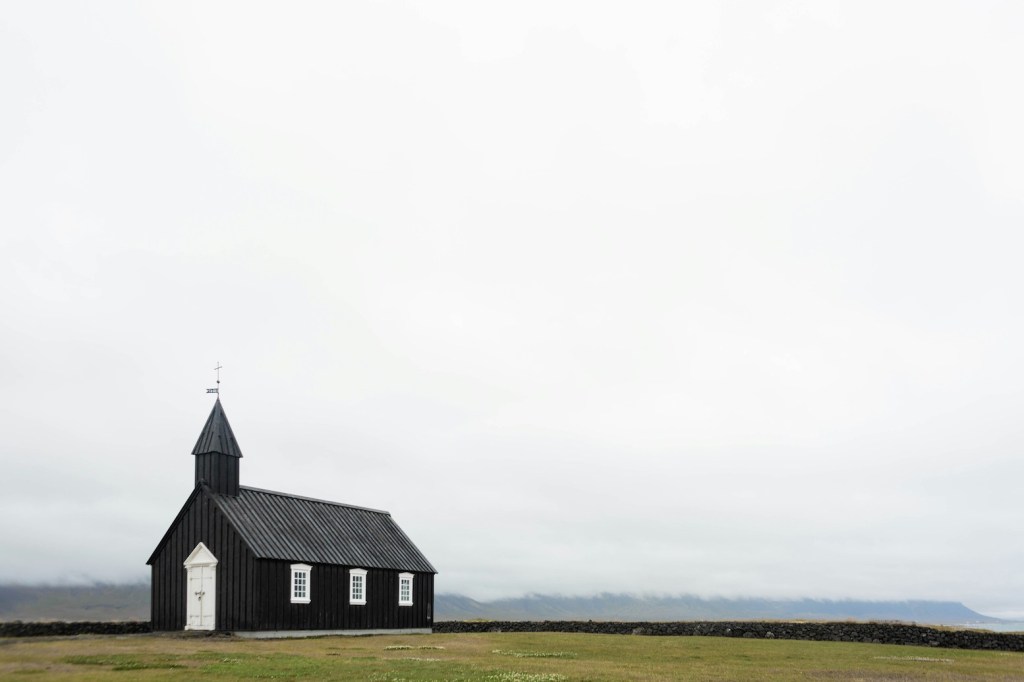
Life in the Father’s House: Why Should I Join a Church?
Note: This article was written in 1996 for the church newsletter of Redeemer Presbyterian (PCA) in Austin, TX, where I was serving at the time.] By and large, the church today is in a real mess. Because so many churches are unfaithful and unfruitful, it is somewhat easy for us to assume the church is…
-

Creational Law, Scripture, and Homosexuality (Part 1)
THIS SERIES OF BLOG POSTS IS TAKEN FROM MY 2015 ESSAY, “AMERICA’S WAR ON GOD AND SEXUAL ORTHODOXY.” In these blog posts, I will interact quite a bit with natural law, not because I believe natural law theory as such holds the answers to what ails our nation (Christ alone is our last, best, and only…
-

Eight Criteria for a Biblical Political Theology
Here are my criteria for a political theology: 1. It must incorporate special and general revelation, since biblical law and creational law were designed to work together. Special revelation is the lens through which we interpret nature, but God never intended either form of revelation to stand alone (e.g., special revelation was given even before…
-
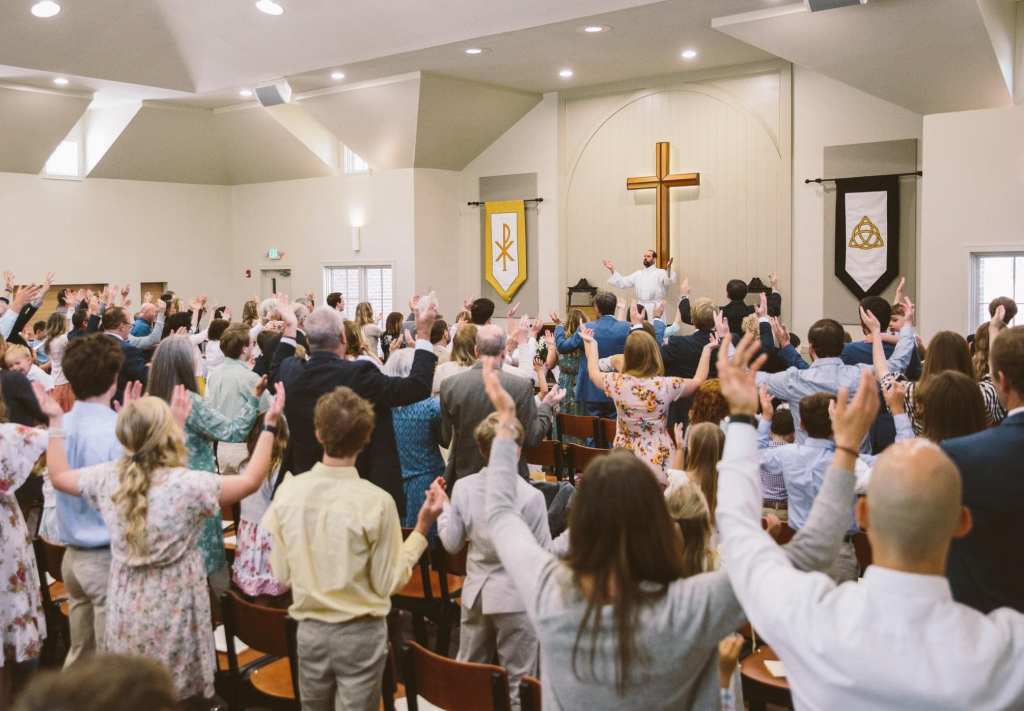
Hebrews 10 — Sermon Follow Up
These are some follow up notes on the sermon from Hebrews 10:19-31. ——Some background on the billboard on I-65. If you want the Sunday School version of the sermon , go here. If you want the youth Bible study version, go here. —— Here’s thumbnail sketch of the argument: Why go to church? And to supplement the argument for church…
-

Sex as Glue
This is an interpretive paraphrase/rewriting of 1 Corinthians 7:1-9, a key text on marital sexuality. If Paul had elaborated and explained himself more fully in these verses, I think he would have said something like this: [1] You wrote to me, “It is good for a man to not touch – that is, to not…
-

The Story of Work
Work, like so many other things in our culture today, has been politicized. Over the last few years, articles lamenting the lack of workers due to the “great resignation” have been common. Some blame the declining workforce on government programs that pay people to not work, while others blame corporations and businesses that undercompensate their…
 TPC Pastor's Page